

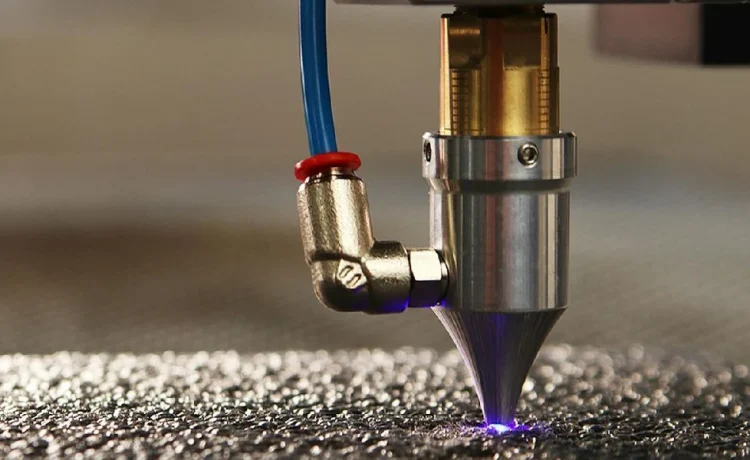
Tiny measurement errors create costly production setbacks. Product fit, operating life, and assembly speed depend on dimensional control. Across modern factories, machining accuracy shapes final performance more than many buyers realize. For organizations seeking dependable component quality, thailand precision machining capabilities provide practical solutions through advanced equipment, process discipline, and precise engineering methods.
Why Does Manufacturing Accuracy Depend on Precision Machining?
Every component carries a tolerance requirement. Once dimensions drift, assembly complications appear quickly. A bearing housing may seem acceptable visually. Yet slight variation can shorten equipment life considerably.
Precision machining addresses those risks through controlled cutting operations. Tool paths follow programmed instructions carefully, while inspection data verifies critical measurements throughout production. Better dimensional control creates smoother assembly conditions and fewer corrective adjustments later.
What Happens When Tolerances Become Tighter?
As products shrink, accuracy gains importance. Medical instruments illustrate this challenge clearly. Small dimensional changes affect functionality immediately.
Manufacturers often rely on:
- Exact cutter positioning during production
- Detailed dimensional verification procedures
- Stable machine calibration practices
- Controlled thermal conditions
Each factor influences final part quality. Missing one element can affect overall consistency across production batches.
Accuracy Starts Long Before Material Cutting
Successful outcomes begin with preparation. Material properties influence machining behavior significantly. Harder alloys respond differently during cutting operations, requiring specific tooling selections and machining strategies.
Consider an aerospace bracket example. Design engineers specify dimensional limits first. Programming teams build machining sequences next. Inspection specialists establish verification checkpoints afterward. Accuracy emerges from coordinated planning rather than equipment alone.
How Does Precision Machining Strengthen Production Quality?
Manufacturers value repeatable performance across large orders. Consistency matters because assembly systems depend on predictable dimensions. A single production lot may contain thousands of identical components.
Several strengths contribute directly:
- Advanced CNC platforms
- Skilled technical personnel
- Multi-stage inspection methods
These capabilities help maintain dimensional reliability while controlling production costs,thailand precision machining remains important, yet production efficiency carries equal value when volumes increase.
Which Technologies Deliver Better Component Precision?
Machine capability influences achievable tolerances greatly. Multi-axis systems reduce repositioning requirements, helping preserve dimensional relationships between features. Fewer setups often mean stronger geometric accuracy.
Important technologies include:
- CNC milling for complex profiles
- Turning centers for cylindrical geometry
- EDM for intricate feature creation
- Coordinate measurement systems
Each technology serves a distinct purpose. Combined applications expand manufacturing possibilities across industries requiring exact specifications.
The Real Value Behind Accurate Components
Production teams notice accuracy benefits quickly. Assembly delays decrease. Rework rates decline. Equipment integration becomes smoother across manufacturing environments.
A properly machined shaft, for instance, enters its mating component without excessive force. Small dimensional improvements create measurable operational advantages. Over time, those gains influence maintenance schedules, product reliability, and customer satisfaction. Precision becomes less about measurement numbers and more about long-term performance outcomes.