Planning a Backyard Project? How Mini Excavator Hire Saves Time on Trenching, Landscaping and Footings

Digging by hand is slow and tiring. A trench that takes two days with a shovel can take an hour with the right machine.
That is why mini excavator hire is popular with homeowners and small builders. These compact machines fit through side gates and work in tight yards. People searching this topic usually want to know which size to hire, what it costs, and whether they can run it themselves.
Without a plan, people often hire the wrong size, dig in the wrong spot, or hit underground services.
Planning Before Digging Matters More Than Speed
A fast machine does not help if the job is set up badly. A few checks first save time and repair bills.
· Lodge a free Before You Dig Australia enquiry.
· Measure gate and side access widths.
· Decide the trench depth and width you need.
· Check the soil type, such as clay, sand or rock.
· Plan where the dug soil will go.
· Confirm your vehicle can tow the trailer, if you are collecting it.
Trenching for Drainage, Pipes and Cables
A narrow bucket cuts neat trenches for storm water, irrigation or conduit. The machine digs to a set depth and places soil to one side.
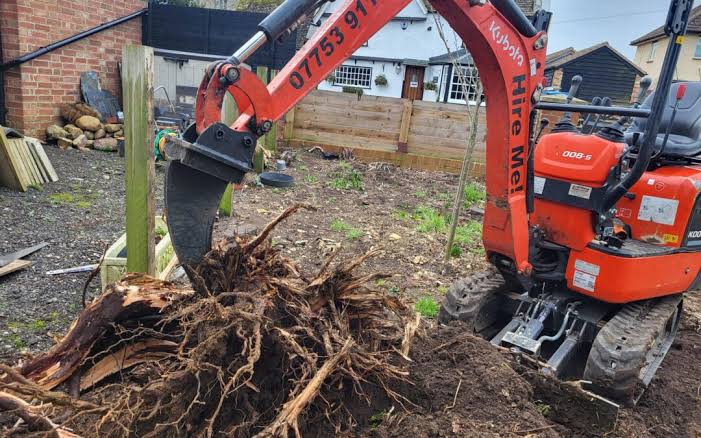
In real conditions, rocks and tree roots slow progress. The bigger risk is hitting an unmarked pipe, so dig carefully near marked services.
Landscaping and Levelling
Mini excavators move soil, shape garden beds and prepare ground for turf or paving. A wider mud bucket works well for levelling.
The limitation is surface damage. Tracks can mark lawns and driveways. Rubber tracks and ground protection mats help.
Digging Footings for Sheds, Decks and Fences
Most mini excavator hire companies offer auger attachments. These drill neat round holes for posts and piers.
This is much faster than a hand auger. The difficulty is compliance. Some structures need council approval and engineered footing sizes, so check before digging.
Choosing the Right Size
Machines around 1 to 1.8 tonnes suit most backyards. Many fit through openings about a metre wide. Larger 3 to 5 tonne machines dig faster but need wider access.
A Simple Project Plan
· Confirm services with Before You Dig Australia.
· Mark trench lines and post positions with paint.
· Choose the machine size and attachments.
· Book delivery or arrange towing.
· Do a short practice run in an open area?
· Dig, check depths often, and backfill neatly.
Where Projects Go Wrong?
Common mistakes include skipping the services check, hiring a machine too big for the access and underestimating how much soil comes out.
Weather also matters. Wet clay is heavy, slippery, and slow to dig. A dry forecast can save a whole day.
Improving With Each Job
Note how long each task took and which attachments helped. Next time, you will book the right machine for the right number of days. Small lessons from each project add up.
Frequently Asked Questions
Do I need a licence to operate a mini excavator?
A specific licence is generally not needed for private use, but training is strongly recommended. Worksites usually ask for proof of competency.
Can the company deliver the machine?
Most offer delivery and pickup for a fee.
What attachments are available?
Common options include trenching buckets, mud buckets, augers, and rippers.
How long should I hire for?
Simple jobs often take a day. Larger landscaping may need a weekend.
Will it damage my lawn?
Some marking is normal. Ground mats reduce it.
No project runs perfectly. Planning, checking services, and digging steadily solve most problems before they start. Each job teaches you something useful for the next one. Consistent, careful work matters more than finishing fast.