

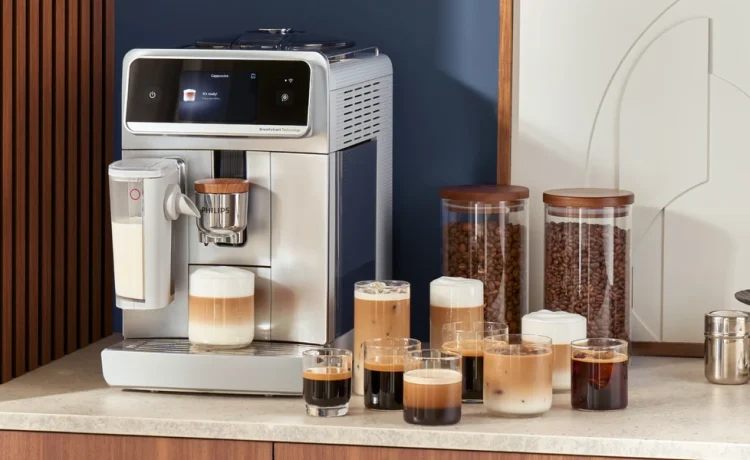
The problem with traditional espresso equipment in a workplace is not the machine, it is that espresso is a skill. Dose, tamp pressure, grind adjustment and milk texturing take practice, and an office cannot train forty people or employ a barista. A fully automatic coffee machine singapore businesses install solves that by moving every one of those variables inside the machine, where they happen identically every time.
What Fully Automatic Actually Means
At the press of a button the machine grinds the required dose, tamps it in an internal brew unit, extracts at a controlled pressure and temperature, and on machines with a milk system draws and textures milk before dispensing. The grounds are ejected into an internal container, the group rinses itself, and it is ready for the next drink. The user makes one decision, which drink they want, and everything requiring skill or judgement has been removed from their hands.
Why That Suits Shared Environments
Consistency is the whole argument. In a pantry, the alternative is a range of results from good to undrinkable depending on who made it, and a machine left dirty by whoever was in a hurry. Automation delivers the same drink to everyone, removes the queue caused by people fiddling with a portafilter, and keeps the counter clean because there are no loose grounds. In client-facing areas it also means a receptionist can produce a decent flat white without training.
Where They Sit on Quality
Honesty helps here. A skilled barista on a well-maintained traditional machine will out-perform any automatic, because human judgement adapts to the bean, the humidity and the day. What an automatic delivers is a good drink every single time from anyone, which in a workplace is worth more than an excellent drink some of the time. Against capsules, the difference is substantial, grinding at the moment of brewing produces a fresher, fuller cup than any pre-ground sealed dose.
Milk Systems and the Hygiene Question
Fresh milk systems draw from a chilled container and texture automatically, producing genuinely good milk-based drinks. They also require daily cleaning of lines and components and a fridge somebody manages. Automatic rinse cycles after each dispense and prompted cleaning programmes make this realistic rather than aspirational, but the daily task still belongs to someone in your office. Powdered systems avoid it entirely and produce a recognisably different drink. Decide who will do the cleaning before choosing.
Grinder Quality Sets the Ceiling
Everything downstream depends on the grind. Look for burr grinders, whether conical or flat, with adjustable settings so the machine can be dialled in for the beans you use. Larger burrs run cooler under repeated use, which matters for flavour at office volume. Burrs are a wear item with a life measured in kilograms, and a dull set produces flat, under-extracted coffee that everyone attributes to the beans. Ask about the replacement interval at your expected volume and whether servicing covers it.
Drink Menus and Interface
A machine offering twenty drinks sounds appealing and produces a queue of people reading icons. In practice a clear display with named drinks and a short menu covering what your office actually orders works better than a comprehensive one. Look for the ability to adjust strength, volume and milk quantity per drink, and for lockable settings so a well-configured machine is not adjusted by whoever decided it was too weak. Providers of fully automatic coffee equipment can usually configure the menu to your requirements at installation.
Capacity and Recovery
Specify against the morning peak rather than the daily total. The figures that matter are the cycle time for a milk drink and how many consecutive drinks the machine produces before performance falls away. Hopper capacity and grounds container size determine how often someone intervenes; a container needing emptying twice a morning will be found full. Water tank capacity matters similarly unless the machine is plumbed, which at any real volume it should be.
Beyond Coffee: Tea, Chocolate and Iced Drinks
Not everyone in an office drinks coffee, and machines vary in how well they serve the rest. Many fully automatic units dispense hot water at a suitable temperature for tea, which is worth confirming rather than assuming, since water drawn from an espresso boiler may be too cool. Some offer a chocolate or powder canister, which broadens the menu at the cost of another component to clean. Iced drinks matter more in this climate than most manufacturers assume, so check whether the machine can dispense a stronger, smaller volume suitable for pouring over ice rather than producing a full-length drink that arrives diluted.
Maintenance in Practice
Daily tasks are emptying the grounds container and drip tray, running the milk rinse and cleaning cycle when prompted, and wiping the dispensing area. Weekly tasks involve a deeper milk system clean. Periodic tasks include descaling and filter replacement, usually covered by a service agreement. Water filtration protects the internals and is frequently a warranty condition, so establish who replaces the cartridge and how often rather than leaving it to be noticed.
Choosing One
Size the class to your headcount and peak, confirm the machine can be plumbed if volume warrants it, decide fresh milk or powder based on who will clean it, check grinder specification and burr servicing, and establish what the service agreement covers and what response time applies. Assessed on those points, a fully automatic coffee machine singapore workplaces choose produces the same reliable drink on a Monday in year three as it did on the day it arrived.