


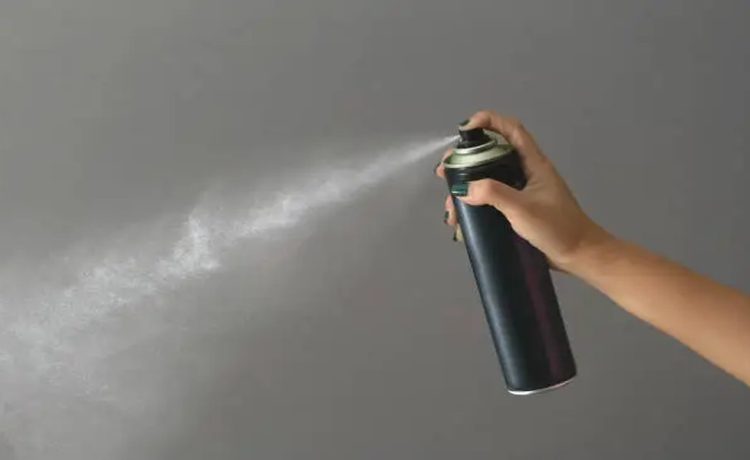
Technical aerosol sprays regularly feature on construction sites and provide a quick and effective remedy for cleaning, lubricating, sealing and finishing tasks. They are extremely convenient and precise, and are essential tools for tradespeople in a variety of applications within the construction industry. In this guide, you will learn about most of the uses of technical aerosols sprays in construction and why it is still an essential tool on site.
The uses of technical aerosol sprays in construction
Cleaning and surface preparation
Surfaces must be dust, grease and residue free before any adhesive, sealant or paint is used. Technical aerosol sprays are an effective and uniform surface cleaning solution that won’t produce streaking or residue. Technical aerosol sprays can be used on site to clean in the following applications:
- Cleaning before bonding: The clearance of dust, oil and old adhesive surface debris to ensure proper bonding and long lasting bond of new adhesives and sealants.
- Degreasing metal components: Removing grease and dirt from metal fittings, brackets and tools prior to painting, welding or even further manufacturing process.
- Removing label and tape residue: Dissolve adhesive generated by protective clear coats, labels and/or masking tape without harming the surface finish beneath.
- Pre-paint surface wipe-downs: Cleaning surfaces before painting, to remove fine dust particles which are likely to affect the appearance of the final paint coat.
Lubrication for tools and moving parts
Safe and efficient operation of construction equipment depends on smooth moving elements and parts. Technical aerosol lubricants penetrate into difficult places and provide uniform lubrication, which minimizes friction and wear. Technical aerosol sprays for use on construction works as lubrication are used for the following:
- Door and window hardware: Lubricate hinges, sliding tracks and locks after installation and along the way.
- Power tool maintenance: Lubrication of moving components in drills, saws and other power tools to prolong their useful life and minimize mechanical wear and tear.
- Scaffolding and fixings: Applying lubricating material to nuts, bolts and scaffold connectors to prevent corrosion and to facilitate subsequent dismantling of the structure.
- Cutting and drilling assistance: Minimizing friction and heat during cutting or drilling of metal which extends the cutting time and maintains straightness and sharpness of the blades.
Sealing, foaming, and gap filling
Numerous technical aerosol products are engineered to expand, seal or fill gaps around the components of a building. These sprays seal where traditional sealants can’t be applied and are 100% weatherproof. Technical aerosols can be used for sealing and gap filling in the following ways:
- Expanding foam for gaps: Gap filling around window and door frames to increase insulation and for draught proofing.
- Sealing penetrations: Closing openings through walls and ceilings, to preserve fire and weather barriers, around pipe, cable or duct openings.
- Acoustic sealing: Ignore small openings around skirting boards, frames & service penetrations and improve sound treatment.
- Temporary weatherproofing: Spraying an exposed surface with a weather sealing quick dry material, while the rest of the project is still under construction.
Marking, identification, and finishing
Aerosol sprays are used as well to mark out work areas, identify materials and to add finishing to completed surfaces. They not only help in ensuring safety but are also valuable for presentations onsite. Technical aerosols are used in marking and finishing applications such as:
- Line marking on site: Spraying temporary marks on concrete, ground or even framing to mark measurements, cut lines, or even service routes.
- Color coding of materials: Identify cables, pipes or components by using colored aerosol paint to color the component, as a design aid or to signal installation sequence.
- Touch up finishing: Use to touch up after painting of painted surfaces, metal fittings, and/or trims to correct minor blemishes.
- Rust prevention coating: Application of agent to exposed metallic edges or cut edges which before finishing, should reduce the possibility of rusting.
Conclusion
Technical aerosol sprays are used for a myriad of construction operations, including cleaning, lubrication, sealing and finishing. They are versatile and convenient enough to fit into any tradesman toolkit and are suitable for a wide range of trades both during the construction phase and in the upkeep of their project’s site.