
Contemporary Power Distribution Points Technologies: Enhancing Organized Electrical Connectivity Through Smart Infrastructure Designs

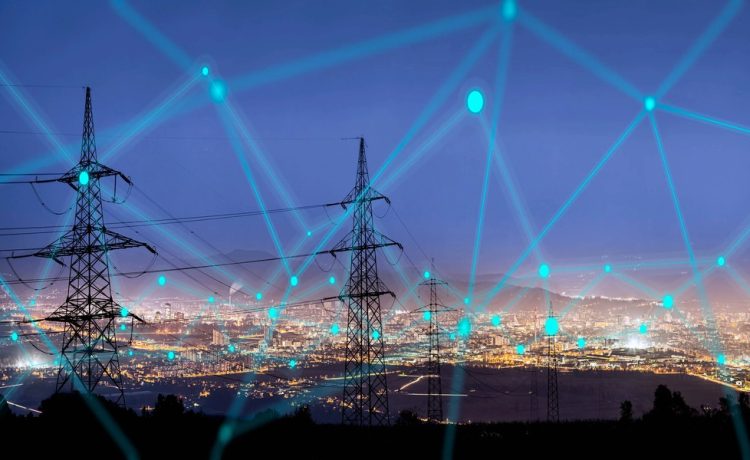
Strong electrical planning supports safer movement of energy across residential, commercial, and industrial properties. Modern power distribution points help maintain balanced connectivity while reducing unwanted interruptions during daily operations. Contemporary Power Distribution Points Technologies Enhancing Organized Electrical Connectivity Through Smart Infrastructure Designs reflects how advanced systems simplify wiring management and improve equipment coordination. Organized layouts also support easier maintenance activities, helping technicians identify faults without major delays. Carefully arranged components encourage cleaner installation practices while supporting consistent performance under changing electrical demands. Reliable structural planning continues to shape efficient connectivity methods suitable for growing infrastructure requirements across different environments.
Intelligent Systems Supporting Stable Electrical Performance
Modern electrical setups depend on accurate control methods that improve energy movement across connected spaces. Smart monitoring tools help operators track voltage conditions while supporting quick responses during unexpected power fluctuations. Well-designed layouts also improve equipment safety by reducing unnecessary stress on connected circuits. Advanced distribution structures create organized pathways that support reliable communication between electrical devices and control systems.
Efficient Components Improving Connection Management
Modern electrical panels support organized cable arrangements inside compact installation environments.
· Smart circuit layouts improve maintenance access during technical inspection procedures.
· Reliable insulation materials reduce unnecessary heat generation across connected electrical systems.
· Flexible mounting structures support a cleaner equipment arrangement within limited infrastructure spaces.
· Advanced monitoring devices provide accurate reporting for changing electrical performance conditions.
· Efficient wiring channels encourage safer installation practices during commercial expansion projects.
· Balanced connectivity methods reduce overload risks across multiple operational power sources.
· Durable protective enclosures improve component safety against moisture and environmental exposure.
· Structured configuration systems support easier troubleshooting during complex electrical maintenance activities.
Organized Infrastructure Supporting Long Term Reliability
Stable electrical movement depends heavily on carefully managed structural planning across connected facilities. Professional installation methods improve operational consistency while supporting cleaner energy transfer between distribution units. Many commercial environments now prefer adaptable systems capable of handling changing equipment requirements without major reconstruction work. Well-arranged pathways also simplify future upgrades while protecting valuable electrical components from unnecessary operational strain.
Which Installation Methods Improve Safer Electrical Connectivity Today?
Reliable installation practices support stronger electrical performance across buildings requiring continuous energy movement. Careful arrangement of panels, conduits, and protective devices improves safety while helping technicians manage maintenance procedures more efficiently.
Many facilities now depend on smart monitoring systems combined with organized wiring pathways for improved operational stability. Proper spacing between equipment areas supports better airflow while reducing overheating concerns around sensitive components. Modern power distribution points also encourage easier scalability, allowing infrastructure systems to adapt smoothly when additional electrical requirements appear during future expansion projects.
Advanced Monitoring Solutions Enhancing Operational Efficiency
Accurate monitoring equipment plays an important role in maintaining dependable electrical operations across complex facilities. Real-time tracking systems help technicians observe energy usage patterns while identifying irregular conditions before larger failures occur. Automated reporting functions also support better maintenance scheduling and improve long-term operational planning for businesses managing large electrical networks.
Smart Layouts Encouraging Safer Energy Flow
Well-planned electrical arrangements improve equipment accessibility while supporting smoother energy movement throughout connected systems. Organized infrastructure reduces unnecessary wiring complications that often create maintenance difficulties inside busy operational environments.
Strong protective measures combined with efficient structural planning help extend equipment lifespan while improving overall system reliability. Adaptable installation methods also provide valuable support for facilities expecting future electrical expansion and increased operational demands.
Reliable Connectivity for Future Infrastructure
Growing infrastructure projects continue demanding smarter solutions that improve electrical organization and long-term operational consistency. Advanced connectivity systems now support cleaner installations, improved monitoring accuracy, and stronger protection against unexpected performance disruptions. Careful structural planning also helps technicians maintain equipment more efficiently while supporting safer working environments across commercial and industrial facilities.