

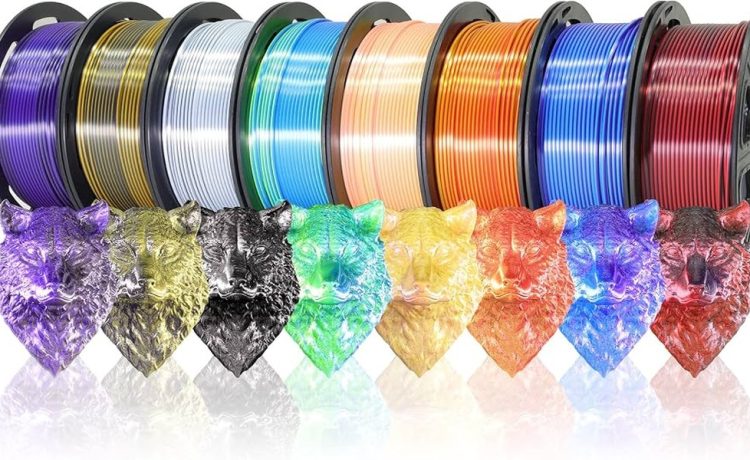
The material is best when it moves easily through the printer in the 3D printing process. PLA is favored due to its low melting temperature and compatibility with many home printers, although not all spoofer will yield the same results. This is where it makes a difference with the reliability of PLA filament.
If the thickness is uniform throughout the spool, the printer will be able to extrude smooth lines, one layer at a time. Large changes in size may result in gaps, weakness, or uneven textures in prints. If you work regularly, it will save you time and save on printing if you select solid materials.
Good repeat jobs with reliable PLA filament. You don’t want the quality of your printouts to changed from one to another when printing the same model.
A filament with these characteristics is a good sign of a trustworthy one.
There are a few simple indications that will tell you if a spool is worth using or not. The first one is the cleanliness of the winding and how tight the winding is. When the filament is messy on the spoofer, it can entangle during printing and halt the printing process halfway.
Another indication is the feel of the filament as it goes through the printer. A smooth feed without any sticking, generally indicates better production control. Many users report better nozzle clog-free performance and more consistent layers even on extended prints with reliable PLA filament.
Colour consistency is another hint. A change of shade across the spool could be a sign of poor mixing during production. A good spool should feel and appear the same throughout.
The importance of stability in print products during storage
The poor storage of even good PLA can cause it to go bad. PLA absorbs moisture from the air which may lead to popping noises when printing or to poor surface finish. This is why storage is more significant than some would imagine.
Spools should be stored in sealed containers or dry boxes to ensure the quality of prints. People who invest in quality PLA filament often invest in good storage which helps to extend the life of the filament.
It also can guard against direct exposure to sun and moist rooms. An incident that can affect the quality of prints over time in countries where there is rapid changes in weather, such as Australia.
The work setup for printer options that work well and produce consistent results.
Even the best of the filament requires the right settings. One of the most crucial components is temperature. Generally PLA will print at lower temperature but there might be slight differences in the printability of various brands.
With a good source of PLA filament, it’s always best to check for reliability before a large print is attempted. This is to assist in setting up the correct speed and flow rate. Adjustments of settings will often solve problems such as stringing or poor bonding of layers.
The bed adhesion is also important. The first layer may not adhere properly and the entire print can fail. The problem is often solved by a clean bed surface and proper temperature configuration without changing the filament.
Reaping the benefits of PLA in the long term.
Value is not the only thing that matters – the price of the spool does not necessarily determine the value of it. From the number of prints that are achieved without any issues. Sometimes it is cheaper to fail often, yet it can cost more in terms of time and material.
Once you’re able to rely on a consistent PLA filament, you’ll see your print success rate improve. Minimize failures for maximum satisfaction from each spool of print.
Users typically discover within time, a couple of reliable brands that function with their printing system. This makes it easier to repeat this kind of projects in the future, as there will be less guesswork. Thanks to consistent usage and appropriate management, PLA can be a trusted material for everyday printing.