


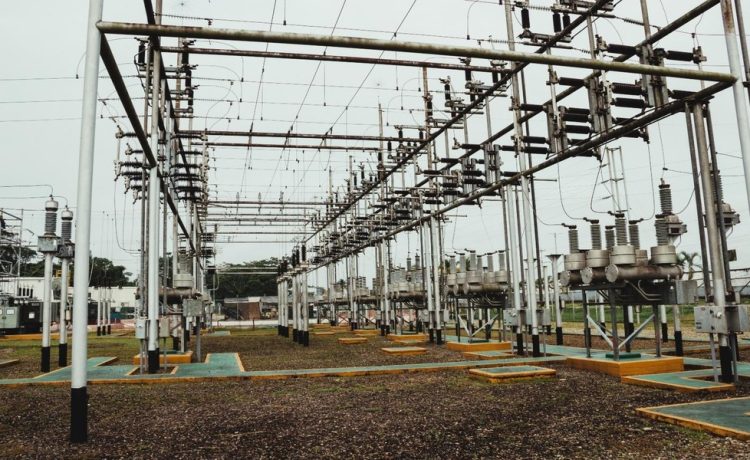
From industrial machinery to commercial businesses to homes, transformers are behind every scene, converting electricity from one voltage to another while ensuring safe and reliable distribution. The electrical system won’t work without transformers, and transformers can’t operate optimally without proper maintenance.
Transformer equipment maintenance is critical for smooth transformer operations and for reducing repair and replacement costs. This informative guide explains transformer equipment maintenance and its importance for optimal transformer performance.
Common Signs of Transformer Equipment Trouble
With regular transformer equipment maintenance, you can avoid transformer failures and improve overall operating efficiency. However, if you notice warning signs such as unusual noises, excessive vibration, overheating, or oil leaks, call transformer maintenance experts immediately to prevent serious issues, including fire, short circuits, or complete transformer failure.
- Oil Analysis (Oil-filled transformers)
Conduct an oil analysis of the transformers at your industrial or commercial site. However, regularly checking the oil for dielectric strength, acidity, and moisture content can help you understand its condition. You’d better refill or replace the transformer oil to maintain insulation and cooling performance. Perform dissolved gas analysis (DGA) to detect early-stage internal faults.
- Physical Inspections
A physical inspection can clarify the condition of the equipment rather than relying on assumptions. While inspecting the transformer, check for oil leaks, corrosion on the tank, damaged cooling fans and pumps, and oil levels.
If you observe any leaks or corrosion on the tank, consult transformer professionals immediately to prevent serious damage. Refilling or completely replacing the transformer oil can also improve the transformer’s overall performance.
Electrical Testing
Electrical testing of a transformer ensures insulation integrity and proper operation. It begins with insulation resistance (Megger) tests (HV-LV, HV-Earth, and LV-Earth) to detect moisture or degradation.
Key tests include winding resistance measurements (to detect open or short circuits), turns ratio (TTR) to confirm voltage transformation, and polarity tests. Proactive electrical testing can improve transformer performance and prevent costly repairs.
- Cleaning & Tightening
Regular cleaning and tightening of the transformer is crucial to prevent overheating, insulation failure, and structural damage caused by dust accumulation and thermal cycling.
Clean porcelain, insulators, and bushings with appropriate agents to prevent flashover. Tighten busbar connections to prevent overheating and arcing. Shut down the transformers before any cleaning or tightening to prevent accidents.
Protection & Cooling Systems
Inspect silica gel breathers (replace pink gel), check bushings for cracks, and ensure relays (Buchholz and sudden pressure) operate properly. Transformer protection and cooling systems ensure reliability by preventing overheating, insulation damage, and catastrophic failure.
Key protections include Buchholz relays, pressure-relief devices, and differential protection. Cooling methods range from natural air (AN) to forced oil/air (OFAF) to dissipate heat from the windings and core. Regular maintenance is essential for safe operation.
Final Thoughts
Transformers are the backbone of any electrical system, whether used in industrial, commercial, or residential settings. With regular transformer maintenance, you can extend its lifespan, improve energy efficiency, and reduce costly repairs and replacements. Remember, only certified transformer maintenance experts can enhance the performance and operation of your transformers.