

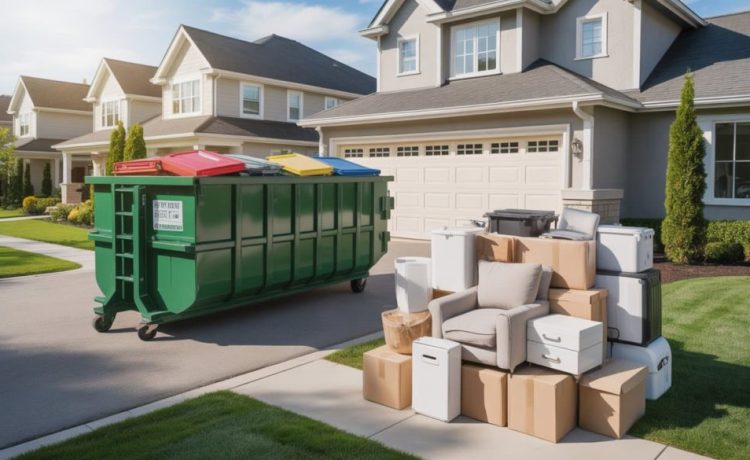
Large-scale disposal projects are often beyond the capabilities of most homeowners. The removal of estate items, renovation waste, and years of stored household items can be a difficult task. Despite DIY methods appearing to be cheap at first, unexpected issues arise during the process. junk removal in Dallas TX, offers a practical option for managing heavy volume, complex handling, and proper disposal that homeowners usually do not plan for. Time investments alone justify professional services before considering physical demands and disposal knowledge requirements. Comparing methods reveals substantial gaps between perceived DIY savings and actual project realities.
Time investment realities
Professional crews complete jobs in hours that consume homeowners’ entire weekends. A full-house cleanout taking professionals four hours might require homeowners three full days or more. That calculation assumes continuous work without breaks or other obligations. Reality adds interruptions, physical exhaustion, and unexpected complications, extending timelines further. Multiple disposal facility trips alone consume entire days. Sorting items adds significant time overhead. Professionals assess materials quickly through experience. Homeowners deliberate over every decision – keep, donate, trash? That mental load slows progress dramatically.
Physical strain considerations
Awkward shapes and tight spaces compound difficulty. Stairs multiply challenges – carrying sofas down two flights tests even fit people. Back injuries, pulled muscles, and dropped items damaging property become real possibilities. Professional crews train specifically for safe heavy-item handling using proper techniques and equipment.
Repetitive loading and unloading cause cumulative fatigue. The first truckload feels manageable. The third or fourth load reveals true physical demands. Blisters form. Muscles ache. Energy depletes. Projects stall halfway through when physical capacity runs out. Taking days off work for recovery defeats any cost savings DIY supposedly provides.
Disposal facility navigation
Landfills don’t accept everything. Transfer stations have different rules. Recycling centres impose strict sorting requirements. Figuring out which materials go where requires research that most homeowners skip. Arrive at facilities with prohibited items? Get turned away. Construction debris needs one location.
Some facilities refuse residential vehicles entirely, requiring commercial accounts. Dumping fees vary wildly between locations. Finding the cheapest options takes time and knowledge. Many facilities demand identification proving residency. Out-of-area residents get rejected. The complexity overwhelms people expecting simple dump-and-go scenarios.
Equipment and logistics
- Rental trucks typically cost between $100 and $200 per day. Fuel and mileage charges can raise the total cost of transportation.
- A steel-toe boot and steel-toe gloves are crucial for safety. These items are often purchased separately and add to the overall cost.
- Dolly wheels and furniture blankets can help keep items stable. This reduces the risk of damage to the load during transit.
- Gaps in vehicle insurance can create serious financial risk. Renters may be responsible for repair costs if damage happens while moving.
- Loading ramps or lift gates prove essential for heavy items exceeding manual lifting capacity
Hidden cost comparisons
Rental trucks appear cheaper than professional services initially. Factor in fuel, facility fees, equipment purchases, and time value, though. Those eight hours spent hauling junk equals a full workday’s lost wages for many people. Add up all expenses honestly. Professional services often cost less than expected, while DIY runs higher than budgeted. Injury medical bills can dwarf any savings if accidents occur.
Professional junk removal beats DIY disposal through superior time efficiency, reduced physical strain, disposal facility expertise, proper equipment access, and often comparable or better total costs when honestly calculated.