

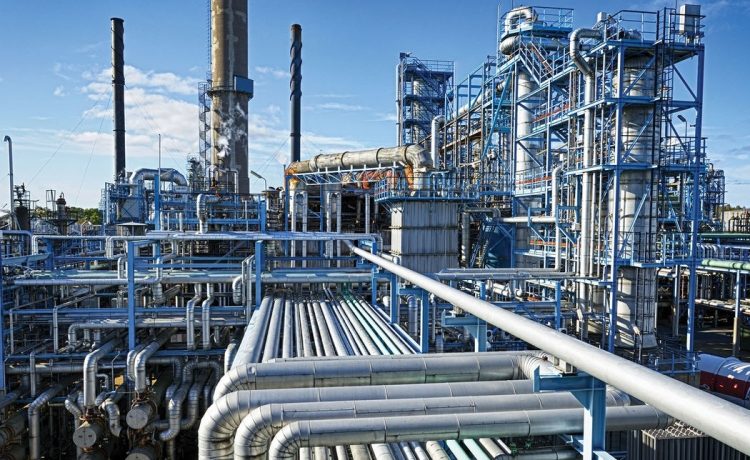
Large indoor work zones demand stable warmth during colder months because machine materials and staff performance depend on balanced air circumstances. A natural gas heater offers reliable output, strong coverage, and lower running costs compared with many electric systems. Proper planning helps managers maintain safe temperature levels without wasting fuel daily.
Maintaining warmth inside wide storage buildings or production halls requires thoughtful equipment selection, airflow planning, and energy monitoring. Managers often seek systems that deliver steady heat, simple maintenance, and dependable safety control. Clear guidance about system types, installation points, and fuel efficiency helps decision makers choose practical heating methods for demanding industrial environments.
Reliable Heat Output
Consistent temperature control prevents cold corners, protects stored goods, supports worker efficiency, and reduces strain on equipment because balanced heat circulation keeps large indoor structures operating smoothly every winter day.
Energy Efficient Operation
Careful burner design, steady fuel flow, proper ventilation, and improved efficiency so heating units produce strong warmth using less fuel, which lowers running expenses for facility owners during long, cold seasons.
Safe Air Circulation
Balanced airflow planning spreads warmth across tall rooms, preventing hot ceilings and cool floors while maintaining breathable indoor air quality, which supports staff health and reliable equipment performance during demanding operations daily.
System Capacity Planning
Correct sizing ensures heating equipment matches building volume, insulation level, ceiling height, and door activity so the system maintains steady warmth without wasting fuel or creating uneven temperature zones across operations.
|
Heating Factor |
Purpose |
Benefit |
|---|---|---|
|
Capacity sizing |
Matches building volume |
Prevents heat loss |
|
Air circulation |
Spreads warmth evenly |
Improves indoor climate |
|
Fuel efficiency |
Controls energy use |
Reduces running cost |
|
Monitoring tools |
Tracks performance |
Helps maintenance planning |
Maintenance Practices
Regular inspection, cleaning, burner adjustment, filter checks, ventilation review, keep heating equipment reliable because small service actions prevent breakdowns, improve efficiency, and extend service life within demanding industrial buildings every season.
Fuel Cost Management
Monitoring fuel use, scheduling operation during active work hours, improving insulation sealing gaps, and controlling ventilation helps reduce fuel waste, which supports stable operating budgets for facility management across colder months.
Control Systems
Smart thermostats, zone sensors, and timer controls allow managers to adjust heat output precisely, which prevents overheating, limits fuel use, and keeps a steady indoor climate for staff productivity and equipment constancy across working hours.
Performance Monitoring
Continuous monitoring tools help managers track heat levels, fuel use, and equipment status, which improves planning for reliable building warmth daily.
• Temperature sensors placed across work zones show real-time climate data, helping make quick adjustments during cold shifts within large buildings.
• Fuel consumption meters reveal usage patterns supporting smarter heating schedules, lower operational spending across long winter periods within facilities daily.
• Maintenance alerts notify staff when filters, burners, and ventilation require attention, preventing unexpected heating shutdowns during busy operational periods inside facilities.
• Zone thermostats allow targeted heating control helping maintain a balanced indoor climate without overheating unused sections during winter work hours daily.
• Data reports guide long-term planning for system upgrades, improved insulation, and stronger heat distribution strategies within industrial structures during growth.
Reliable climate control inside massive work buildings requires careful equipment selection, regular service, and intelligent monitoring. Managers who review capacity airflow placement and fuel tracking often achieve stable warmth, lower expense, and improved operational stability. Among many options, a natural gas heater remains practical because it provides strong output, dependable operation, and scalable installation for expanding facilities. Combining proper sizing, airflow control, routine inspection, and data monitoring allows organizations to maintain efficient heat coverage during cold months. Thoughtful planning supports safer working conditions, protects stored materials, preserves machinery function while controlling fuel spending across large indoor structures that require dependable warmth every working season.