

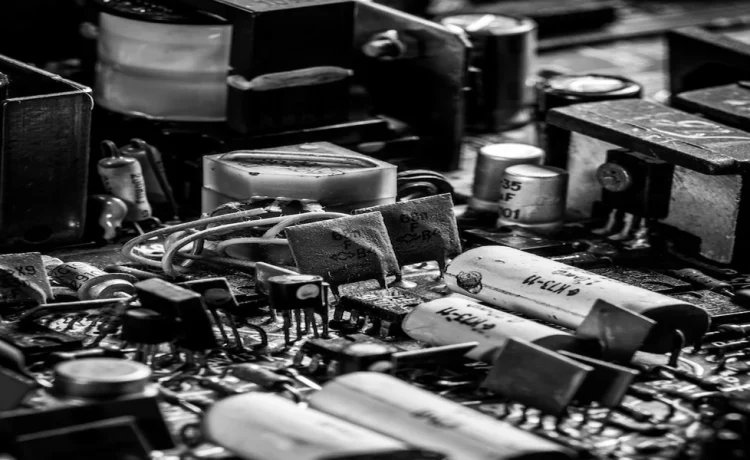
Modern electrical systems are becoming more advanced and interconnected, especially in industries across India. However, with increasing complexity comes the challenge of electrical noise, which can disrupt performance and reduce efficiency. This is where emi rfi filters play a crucial role. These filters help maintain clean power flow by reducing unwanted interference, ensuring that devices operate smoothly and reliably. They also play a key role in protecting sensitive electronic components from damage caused by voltage fluctuations.
In addition, they support consistent system performance by minimising signal distortion in critical applications. As industries continue to adopt automation, the importance of reliable filtering solutions becomes even more significant.
How Electrical Noise Affects Modern Electrical Systems
Electrical noise refers to unwanted signals that interfere with the normal operation of electronic systems. It can originate from various sources such as switching devices, motors, power lines, or even nearby electronic equipment.
- Distort signal transmission
- Cause a malfunction in sensitive equipment
- Reduce the lifespan of electronic components
- Lead to data errors in communication systems
In high-performance environments, even minor disturbances can create major operational issues. Controlling this noise is essential to maintain system stability and ensure consistent output.
What Are EMI and RFI Filters?
Electromagnetic Interference (EMI) and Radio Frequency Interference (RFI) filters are designed to block or reduce unwanted high-frequency signals in electrical circuits. While EMI covers a broad range of interference, RFI specifically deals with radio frequency disturbances.
A well-designed rfi filter ensures that external disturbances do not affect the system, while also preventing internal noise from spreading to other devices. These filters are commonly used in power supplies, industrial machines, consumer electronics, and communication systems where signal clarity is critical.
Key Benefits of Using EMI Filters
Installing filters in electrical systems offers several performance advantages. These benefits are particularly important in industries where precision and reliability are essential.
- Improved Equipment Efficiency
- Filters ensure stable voltage and current, helping machines operate efficiently and consume less energy.
- Reduced Downtime
- By minimising interference, systems experience fewer unexpected failures and interruptions.
- Enhanced Signal Quality
- Clean signals improve communication between devices and systems, especially in automation setups.
- Compliance with Standards
- Many industries require systems to meet EMI regulations, making filters essential for certification.
A trusted emi filter manufacturer India can provide customised solutions that meet specific industrial requirements while ensuring compliance with national and international standards.
Applications Across Indian Industries
In India, EMI and RFI filters are widely used across multiple sectors due to the growing demand for reliable electrical systems and digital transformation.
- Manufacturing Units
- Machines with motors, drives, and automation systems generate noise, which filters help control.
- Telecommunication Systems
- Filters maintain signal clarity, ensuring uninterrupted connectivity and accurate data transfer.
- Healthcare Equipment
- Sensitive devices like diagnostic machines and monitoring systems require noise-free operation.
- Renewable Energy Systems
- Solar inverters and wind energy systems rely on filters for stable and efficient power output.
Working with an experienced emi filter supplier India ensures access to high-quality products suited for diverse applications and operating conditions.
How EMI Filters Enhance System Longevity
Electrical systems that operate in noisy environments tend to wear out faster. Continuous exposure to interference can damage components and reduce overall performance.
EMI filters help extend system life by:
- Protecting internal circuits from voltage spikes and surges
- Preventing overheating caused by unstable currents
- Reducing stress on electronic components
- Maintaining consistent system performance over time
By incorporating emi filters into the design, businesses can reduce maintenance costs, avoid frequent replacements, and ensure uninterrupted operations.
Choosing the Right Filter for Your Needs
Selecting the appropriate filter depends on several factors, including the type of equipment, operating environment, and level of interference. Making the right choice can significantly impact system efficiency.
Key considerations include:
- Frequency range of interference
- Current and voltage ratings
- Installation and mounting requirements
- Environmental conditions such as temperature and humidity
- Compliance with industry standards
Proper selection and correct installation ensure maximum efficiency, safety, and long-term protection for the system.
As electrical systems continue to evolve in India, managing interference becomes increasingly important. The use of emi rfi filters is essential for improving performance, enhancing reliability, and ensuring long-term durability. By investing in the right filtering solutions, industries can achieve smoother operations, reduced downtime, better equipment protection, and improved overall system efficiency in today’s fast-changing technological environment. This makes them a critical component for achieving a stable and future-ready electrical infrastructure.