
Buyers often treat racking suppliers as interchangeable, on the assumption that steel is steel and the lowest price per pallet position wins. The steel is only part of what is being bought. Design competence, documentation, installation quality and support after handover vary widely, and those are the things that determine whether a rack is safe and usable in ten years’ time. When approaching Singapore suppliers of pallet racking, such as NTL Storage Solutions, it helps to have a clear list of what to look for before any quotations are compared.
Why the Supplier Matters as Much as the Steel
A racking structure carries many tonnes above the heads of the people working beneath it. Its safety rests on calculations the buyer will never see and on installation work that is difficult to judge by eye. The supplier is therefore being trusted with engineering judgement, not only with delivery of components. A firm that treats the job as a design exercise will ask awkward questions early. A firm that simply prices a bay count has left those questions for the customer to discover later.
Evidence of Engineering Design
Ask which design standard the system is calculated to, and whether load tables are derived from tested components. A credible supplier can explain how beam and frame capacities were established and will state the assumptions behind them, including pallet weight, first beam height and floor conditions. Layout drawings should carry these figures.
A Proper Site Survey
A quotation produced from a floor plan alone is a warning sign. Columns, drains, floor joints, door positions, sprinkler mains, lighting and low beams all constrain where racking can stand and how high it can go. On upper floors of stacked industrial buildings, permitted floor loading may govern the whole design. The supplier should measure the space, look at the handling equipment in use and ask how goods arrive and leave, since that flow shapes the layout as much as the dimensions do.
Range of Systems Offered
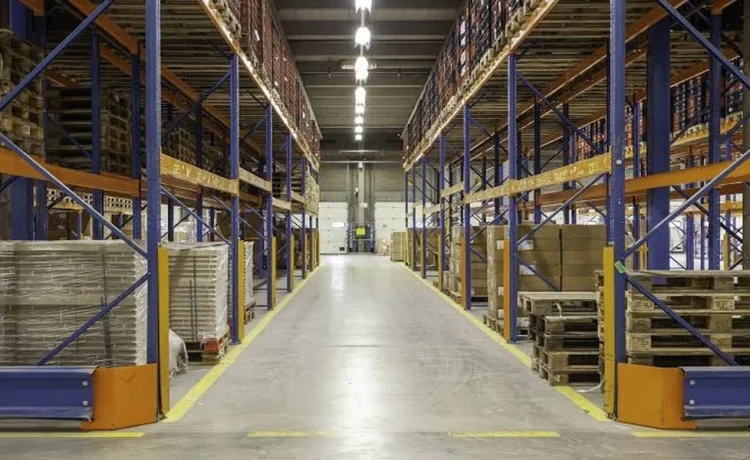
A supplier with only one type of rack to sell will recommend that type. One that offers selective, double-deep, narrow aisle and drive-in configurations is in a better position to advise which actually fits the stock profile, or how to combine them. This is one reason to look at Singapore suppliers of pallet racking, such as NTL Storage Solutions and compare the breadth of what each can design. The discussion should begin with how products move through the building, and only then turn to which structure serves that movement best.
Installation Teams and Site Safety
Find out who will erect the racking. Directly employed or regularly used crews who know the system tend to produce more consistent work than labour assembled for a single job. Ask how uprights are checked for plumb, what anchors are used and how work at height is managed. In a live warehouse, the installer’s approach to segregating the work area from forklift traffic and stored goods says a good deal about how seriously the company takes safety generally.
Documentation Handed Over
At completion the buyer should receive as-built layout drawings, load notices fixed to the racks and a statement of the loads the installation was designed for. These documents matter long after the installers have left. Insurers, landlords and workplace safety auditors may ask for them, and anyone reconfiguring the racks later will need them to avoid overloading a frame. A supplier unwilling to commit to this documentation in writing has effectively declined to stand behind the design.
Lead Times, Stock and Spare Parts
Racking is frequently needed against a lease start date or a peak season, so realistic delivery and installation dates matter. Ask whether common components are held locally or shipped to order. The same question applies years later, when a damaged upright or beam must be replaced with an identical profile. A system whose parts can no longer be sourced forces a choice between leaving a damaged bay empty and replacing far more of the installation than the damage itself would justify.
Inspection and After-Sales Support
Racking needs periodic inspection by someone able to judge damage against recognised limits. Suppliers that offer this service, and that respond promptly when a truck has struck an upright, provide continuity that a one-off seller cannot. It is also worth asking whether the firm will relocate, extend or reconfigure its own installations. Businesses change premises and product ranges more often than they expect, and the original designer is best placed to rework the load calculations.
Comparing Quotations Fairly
Two prices can only be compared when they describe the same thing. Check that each quotation states the same number of pallet positions, the same pallet weight, the same beam levels and the same scope for delivery, installation, floor fixing and protection such as column guards. Differences in steel gauge or frame depth may explain a lower figure. So may omissions. Asking each supplier to confirm the bay load and the design standard in writing usually reveals which offers are truly equivalent.
Making the Final Choice
Price deserves weight, but it should be the last filter and not the first. Shortlist the firms that surveyed the site, asked about loads and trucks, explained their design basis and committed to proper handover documents. Speak to an existing customer with a similar operation if possible, and visit an installation of some age to see how it has lasted. Among Singapore suppliers of pallet racking, such as NTL Storage Solutions, those that meet these tests are the ones worth asking for a best and final figure.